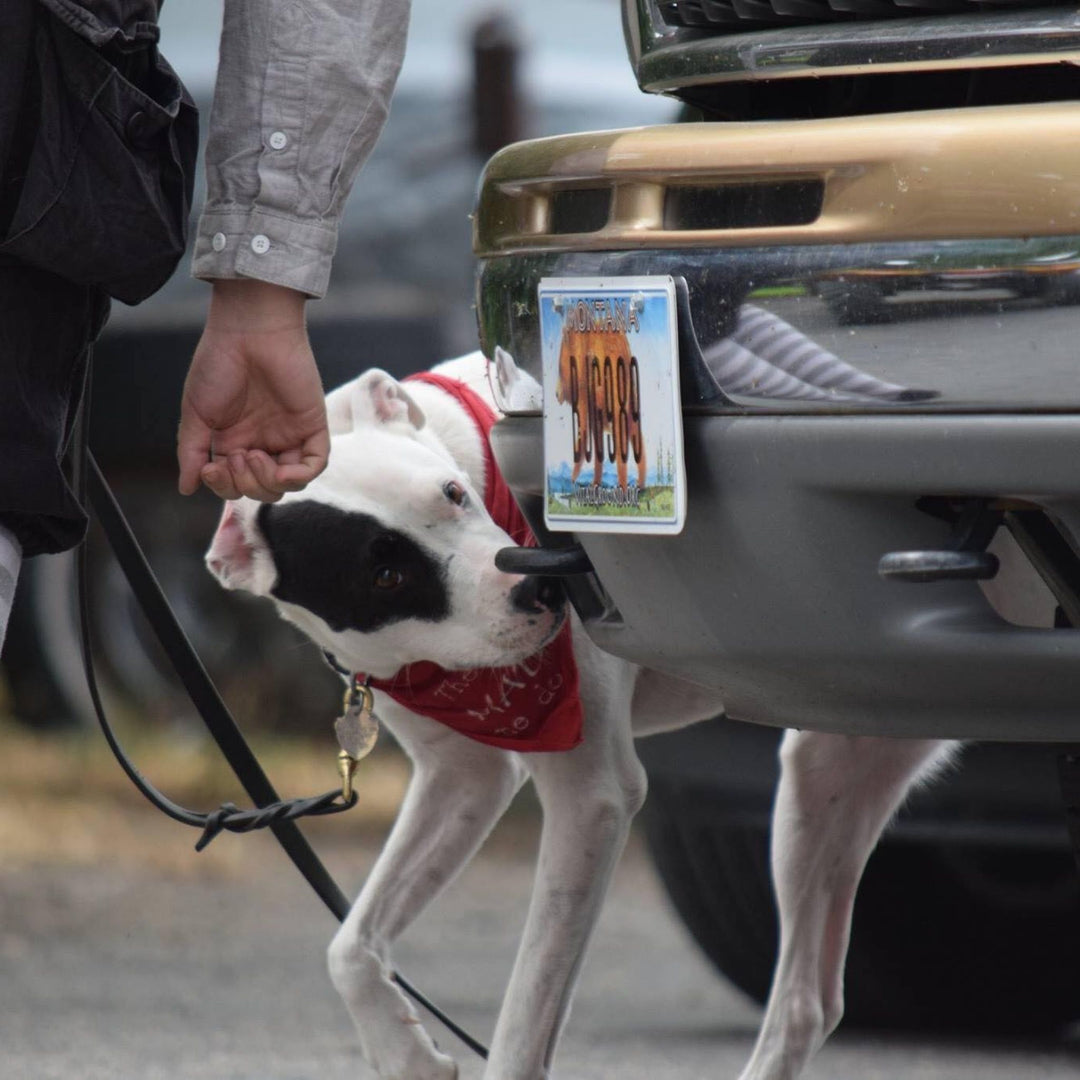
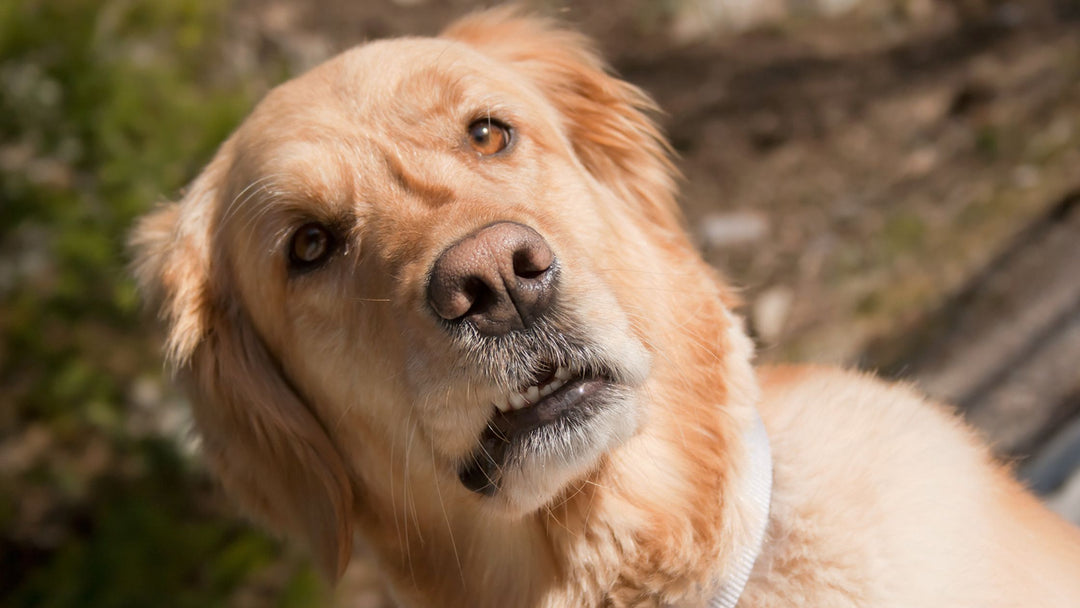
Distractors show up at every level of Nosework. Food, toys, people, animal odor, social scent, search-area novelty, environmental pressure, stress, and reinforcement history can all change how a dog works.
Distractors are not one training problem. A dog may investigate competing reinforcement, check an environmental change, respond to stress or pressure, shift into handler-dependent searching, or lose clarity in the task. Those moments can look similar from the outside, yet they need different training responses.
In this webinar, Judith will discuss how to read distractor behavior in context. Handlers will learn how to look at the dog’s interest, intensity, recovery, search history, odor history, reinforcement history, handler influence, and environment to better understand what changed in the search.
We will look at how distractors can affect hunt, odor recognition, sourcing/odor obedience, decision-making, communication, and recovery. Judith will discuss how reward value, odor history, setup design, handler timing, handler pressure, environmental pressure, and search setup influence the dog’s ability to stay committed to the task.
Training through distractors should build clarity, confidence, and stronger choices. Dogs need opportunities to notice competing information, choose the task, and return to odor or hunt with confidence. Handlers must understand when to wait, when to help, how much help to give, and how to recover the search without taking over the dog’s job.
A distractor moment does not have to end the search. Handlers can learn how to recognize the point of breakdown, support the dog appropriately, and help the team return to productive searching.
The goal is to help handlers build better training plans around distractors. Not every distractor problem has the same cause, so the training plan should match the actual point of breakdown. When handlers understand what the dog is doing and what value the distractor has for the dog, they can train stronger commitment, better recovery, and more reliable searches.
This webinar will cover the following topics:
• common types of distractors in Nosework
• reading distractor interest in context
• recognizing competing reinforcement
• understanding environmental and social distractions
• separating distractor interest from stress, avoidance, confusion, or pressure
• understanding handler influence around distractors
• building stronger task commitment around distractions
• using setup design to train better choices
• strengthening reward value and search engagement
• improving handler timing around distractors
• helping the dog recover without taking over the search
• returning to odor or hunt after a distractor
• using distractor behavior to guide future training